
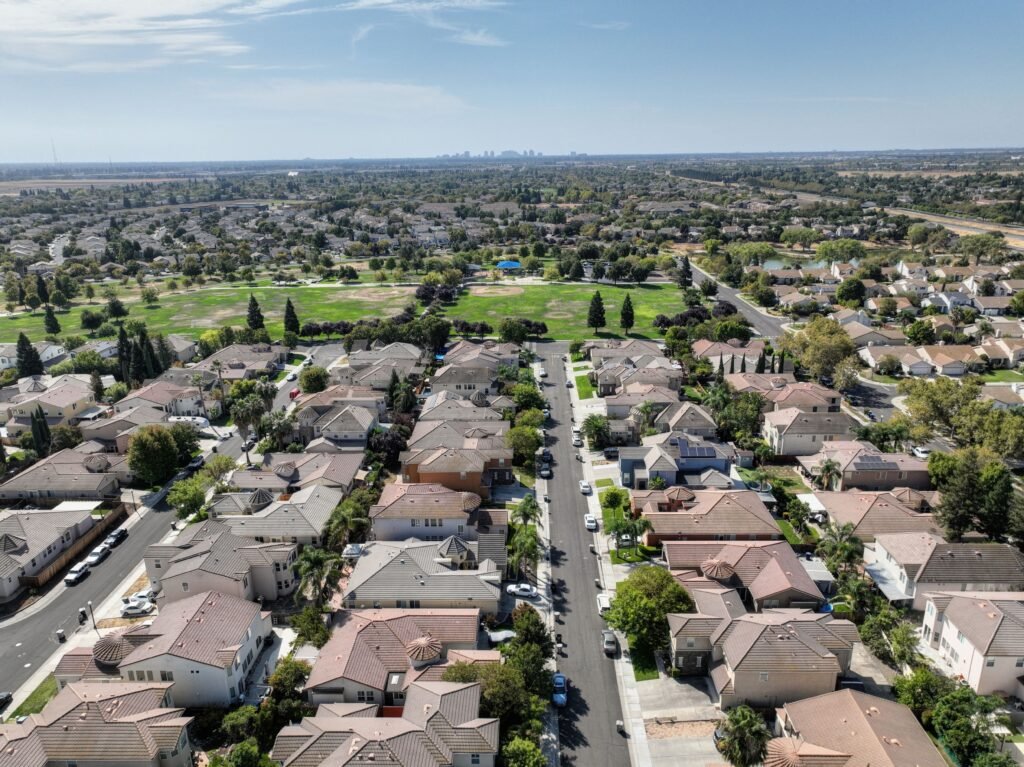
If you own a home in Riverside, you’ve probably heard conflicting messages about the housing market. Some headlines suggest prices are falling, others say inventory is still tight and buyers continue to talk about affordability and interest rates.
The reality is more nuanced.
The Riverside real estate market remains competitive, but buyers have become more selective and sellers need to be more strategic than they were during the extremely aggressive market of a few years ago.
Current data shows that home values are relatively stable, inventory remains constrained compared with a year ago, and well-priced homes can still attract strong buyer interest.
Riverside Home Prices Are Holding Relatively Steady
Recent housing data suggests Riverside home prices are not experiencing a dramatic decline.
Redfin reported a median sale price of approximately $645,000 over the three months ending June 2026, roughly 0.8% lower year over year. Zillow’s typical Riverside home value was approximately $650,289 as of July 31, essentially flat compared with the prior year.
Realtor.com’s August 2026 city-level data shows a median sold price of approximately $705,000, while its median listing price was about $739,000. Different platforms use different methodologies and time periods, so the exact figures vary, but the broader picture is similar: Riverside home values have remained relatively resilient.
For homeowners, that means the market has not suddenly collapsed. But it also means sellers should not assume every property will automatically appreciate or sell above asking price.
Inventory Still Matters
One of the most important factors supporting Riverside home prices is available inventory.
Realtor.com reported roughly 1,109 active listings in Riverside in August 2026, approximately 6.25% fewer than a year earlier.
A separate Realtor.com market report also found active listings in the broader Riverside market running about 6.1% below the previous year, while inventory nationally had increased.
Lower inventory can help sellers because buyers have fewer homes competing for their attention.
But low inventory does not mean every listing sells quickly.
Condition, location, pricing, presentation, financing, and neighborhood competition still matter.
Homes Are Selling, but Buyers Are Paying Attention
Depending on the data source and measurement period, homes in Riverside are taking anywhere from several weeks to roughly two months to sell.
Redfin reported homes selling in approximately 33 days on average over its recent three-month period, compared with 44 days the previous year. Realtor.com reported a median of approximately 49 days on market in August.
Zillow reported homes going pending in approximately 20 days as of July 31.
Those numbers tell me something important: there is still buyer demand, but buyers are not treating every property equally.
A home that is priced correctly and shows well may receive attention quickly. An overpriced property can sit much longer.
Pricing Strategy Is More Important Than Ever
One of the biggest mistakes a seller can make is pricing based solely on what a neighbor sold for several months ago.
The market is constantly comparing your property with the homes buyers can purchase right now.
When I evaluate pricing, I look closely at:
- Recent comparable sales
- Current competing listings
- Pending homes
- Days on market
- Price reductions
- Property condition
- Buyer financing
- Seller motivation
A home may have sold for a particular amount six months ago, but if buyers currently have several similar homes available at lower prices, that older sale may not represent today’s market value.
That is why the first few weeks of a listing are so important.
Watch the First Two Weeks Closely
I like to think of the first two weeks of a listing as an important market test.
If a property receives strong showing activity, questions, and offers, the market is generally confirming that the price and presentation are competitive.
If there is very little activity during that initial period, the market may be signaling that something needs to change.
Sometimes the issue is presentation or marketing.
But very often, the biggest factor is price relative to competing inventory.
That does not automatically mean a dramatic price reduction is necessary. It means the seller and agent should review the data and determine whether the current strategy is producing the desired response.
Buyers Still Have Affordability Constraints
Interest rates remain a major part of the housing conversation because monthly payment matters just as much as purchase price.
A buyer may like a $700,000 home but ultimately make a decision based on what that property costs each month after considering principal and interest, property taxes, homeowners insurance, HOA dues, and potentially mortgage insurance.
This is especially important in Riverside because property taxes can vary considerably between communities.
Some newer developments may include higher tax rates, special assessments such as Mello-Roos, and HOA dues.
As a result, two homes with the same purchase price can produce very different monthly payments.
Seller Credits Can Sometimes Be More Valuable Than a Price Reduction
This is one area where understanding financing can create better negotiations.
A seller might immediately assume that lowering the price is the best solution. But depending on the buyer’s financing, a seller credit toward closing costs or an interest-rate buydown may provide the buyer with greater monthly savings.
That is why I prefer to evaluate the entire transaction rather than focusing only on purchase price.
Price, seller credits, financing, repairs, timelines, and interest-rate strategies can all affect the final outcome.
What Does This Mean for Riverside Sellers?
The current market still offers opportunities for sellers, but expectations need to be realistic.
Realtor.com classified Riverside as a seller’s market in August 2026, meaning buyer demand remained stronger than available housing supply. Homes were selling for approximately their asking price on average based on its citywide data.
That does not mean every seller automatically has unlimited negotiating power.
Instead, sellers who prepare the home well, price strategically, and respond to market feedback are in the strongest position.
In this type of market, I would focus on three things:
- Price correctly from the beginning
- Make the property easy to show and attractive to buyers
- Evaluate the entire offer, not simply the purchase price
What Does This Mean for Riverside Buyers?
Buyers should also understand that the market is not completely one-sided.
Zillow reported that approximately 52.4% of sales were above list price in June, while about 32.5% sold below list price.
That tells us there are really multiple markets happening at the same time.
Desirable, well-priced homes can still generate competition.
Other properties may provide buyers with opportunities to negotiate price reductions, closing-cost credits, repairs, or financing incentives.
The key is understanding which type of property you are dealing with before deciding how aggressively to negotiate.
Riverside Is Not One Single Housing Market
Another important point is that Riverside itself contains very different neighborhoods and price ranges.
Zillow’s July data showed typical home values ranging considerably across different parts of Riverside. For example, it reported values around $529,000 in Eastside, approximately $609,000 in 92507, around $708,000 in 92506, and roughly $770,000 in 92508.
That means a citywide statistic can be useful for understanding the general direction of the market, but it cannot tell you exactly what an individual property is worth.
For that, you need to look at the specific neighborhood, condition, lot, upgrades, competing inventory, and recent sales.
The Bottom Line for Riverside Homeowners
Riverside’s housing market in 2026 is neither a runaway seller’s market nor a dramatic buyer’s market.
Home values have remained relatively stable, inventory is still constrained, and buyer demand continues to support well-positioned listings. At the same time, affordability pressures mean buyers are paying close attention to price and monthly payment.
For homeowners considering selling, the biggest advantage is not simply owning a home in Riverside.
The advantage comes from understanding how your specific property competes in today’s market and building a strategy around that information.
Want to Know What Your Riverside Home Could Sell For?
If you’re considering selling your home in Riverside or the Inland Empire, I can help you look at the current competition, recent sales, pricing trends, and the strategies that could affect your sale.
Rather than relying on a generic online estimate, we can look at the numbers that actually matter for your property.